


Skip to content
caseStudyHeaderBanner

Unifying Network Operations Across A Statewide Distribution Utility

  • NOC Services
  • Multi-Site Monitoring
  • OT Network Security

A State-Owned Power Distribution Utility Serving Millions Of Connections.

The Utility Distributes Electricity To Domestic, Agricultural And Industrial Consumers Across An Entire State, Operating Substations, Division Offices And Consumer Service Centres In Every District. Billing, Metering And Outage Management Systems Depend On Network Links Reaching Locations Far From Any Technical Staff.

Company Profile

  • 1800+ Substations And Offices
  • 9M+ Consumer Connections

Problem Statement

A Statewide Network Nobody Could See End To End.

problmStatmntMainPic
problmStatmntSubPic1
problmStatmntSubPic2
problmStatmntSubPic3

CHALLENGES FACED

As Metering And Billing Systems Moved Online Across Every District, The Utility Encountered Several Challenges: With Links Spanning Remote Substations And District Offices, Faults Were Reported By Field Staff Rather Than Detected By Anyone Centrally.

icon
Detecting Remote Faults

Link Failures At Distant Substations Were Reported Hours After They Occurred.

icon
Coordinating Field Response

Engineers Travelled To Sites Before Knowing Whether The Fault Was Local.

icon
Securing Operational Networks

Metering And Control Networks Had Grown Without Segmentation Or Monitoring.

Existing System : District-Level Networks With No Central Oversight

Each Circle Managed Its Own Connectivity Arrangements, Equipment And Vendor Relationships. There Was No Inventory Of What Was Installed Where, And Outages Were Reported By Telephone From Whichever Office Noticed First. Operational And Office Networks Ran Together Without Any Separation.

Result :

One View Of A Statewide Network.

caseStudyResult

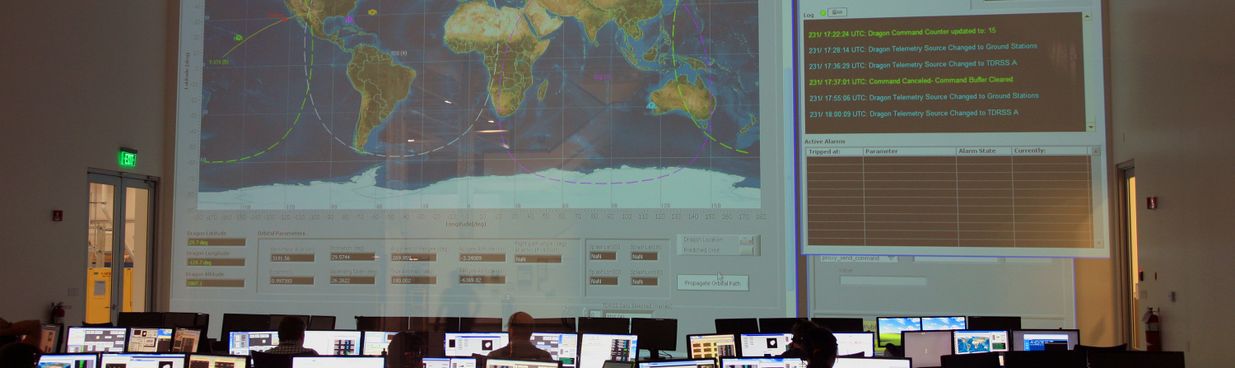
Every Substation, Division Office And Service Centre Now Reports Into A Single Monitoring Console, So Link Failures Are Detected Centrally Before Field Staff Notice Them. Operational Networks Are Segmented And Monitored Separately From Office Traffic, And Field Engineers Are Dispatched With The Fault Already Isolated.

1800+

Sites Monitored Centrally

74%

Faster Fault Detection

52%

Fewer Field Visits

99.6%

Link Availability

ourApproachCaseStudy1

A Central NOC Now Monitors Every Site Continuously, Building An Accurate Inventory As Devices Are Discovered. Operational Traffic Serving Metering And Outage Systems Was Separated From Office Networks, So Both Can Be Monitored And Secured According To Their Own Risk Profile.

Our Approach: Central NOC With Segmented Operational Networks

ourApproachCaseStudy1
ourApproachCaseStudy2

IMPACT & RESULTS

Faults Found Before Reports Arrive
Better Directed Field Response
Accurate Network Inventory
Separated Operational Traffic
Reliable Billing And Metering Data
Evidence For Investment Decisions

Faults Found Before Reports Arrive

Link Failures At Remote Substations Now Raise An Alert The Moment They Occur Rather Than When Someone Notices Billing Data Has Stopped Arriving. Detection No Longer Depends On Whether A District Office Happened To Be Staffed.

frameworks

TECHNOLOGIES - TOOLS USED

The NOC Runs On A Monitoring Platform Performing Continuous Discovery, Availability Polling And Traffic Analysis Across Every Site. Segmentation, Access Control And Log Collection Extend To Operational Networks, While Inventory Records And Availability Dashboards Report By Circle, Division And Individual Location.

  • Network Monitoring Platform
  • Continuous Discovery
  • Availability Polling
  • Traffic Analysis
  • Network Segmentation
  • Access Control
  • Log Collection
  • Configuration Management
  • Ticketing System
  • Field Dispatch
  • Availability Dashboards
×
×
×
×